Body Contouring Farmington Hills: Popular Areas People Target Most
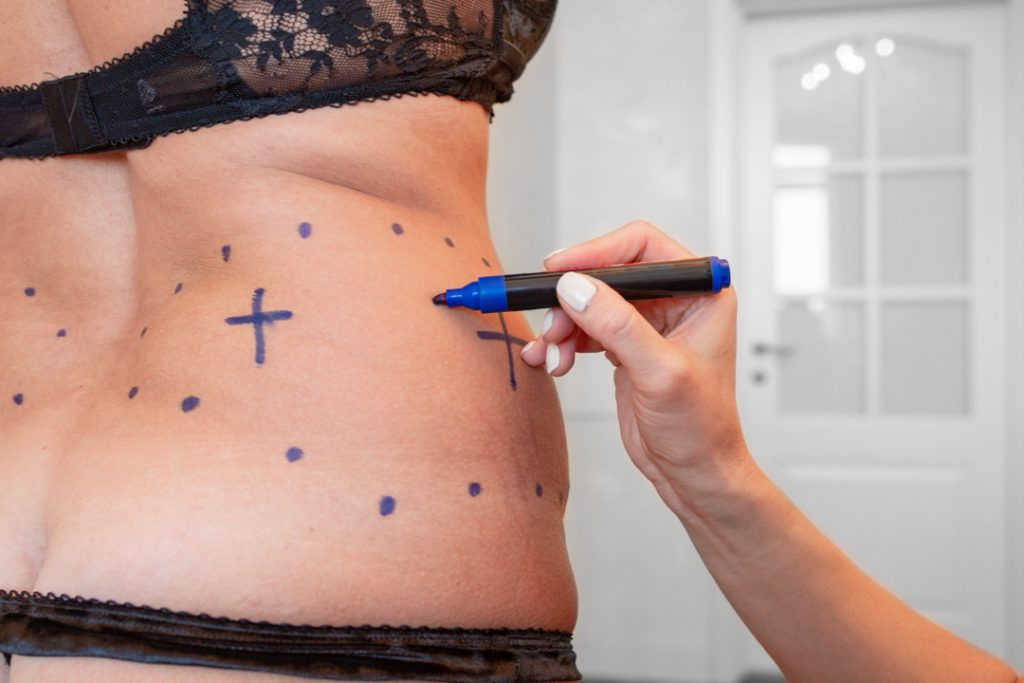
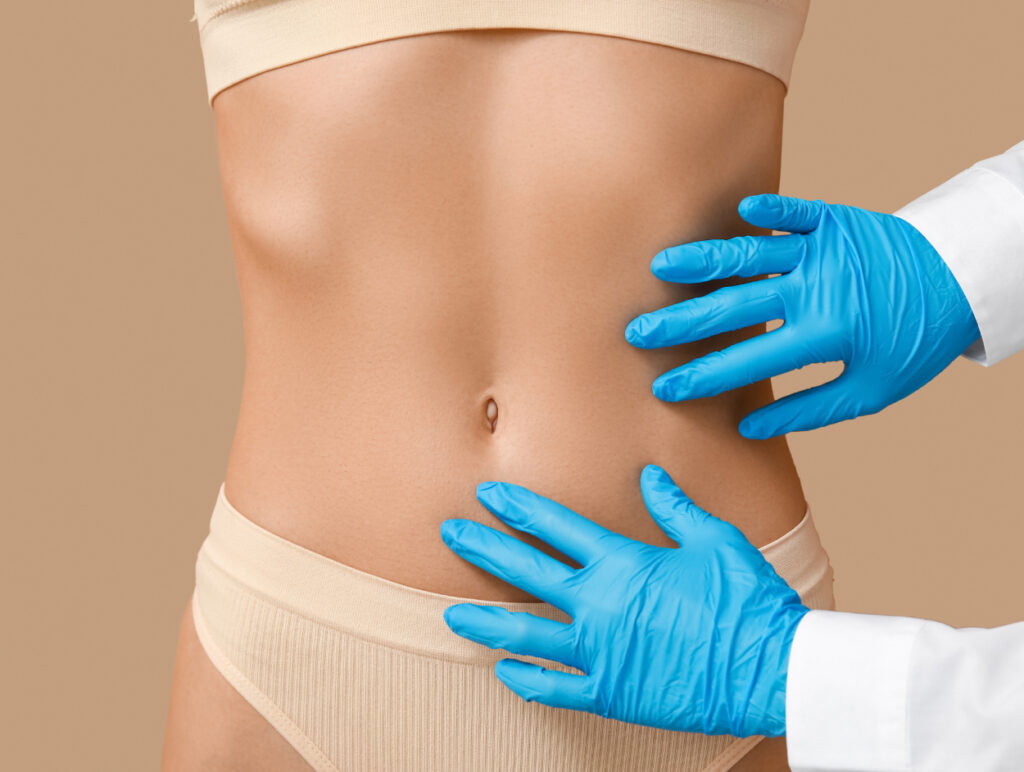
Body contouring has become less about chasing a dramatic transformation and more about refining shape in places that tend to resist effort. That distinction matters. Most people who ask about body contouring are not looking to become a different size overnight. They are usually close to a stable weight, they exercise, they eat reasonably well, and they still have one or two areas that seem out of step with the rest of their body.
That is why conversations around Body Contouring Farmington Hills often start with a simple question: where do people usually want treatment? The answer is not the same for everyone, but patterns do emerge. Certain body areas come up again and again because they collect stubborn fat, show skin laxity quickly, or create a silhouette that feels heavier than a person’s actual frame.
The most commonly targeted zones are the abdomen, flanks, thighs, upper arms, chin, and the area beneath the buttocks. Each of these responds differently to treatment, and each comes with its own expectations, limitations, and planning considerations. A person who is thrilled by small improvement under the chin may be disappointed by the same degree of change in the lower belly. Context matters.
Why some body areas resist change
Fat distribution is partly behavioral, but a large part of it is simply biological. Age, hormones, genetics, pregnancy, weight cycling, menopause, and muscle mass all influence where the body stores fat and where skin becomes loose first. Two people can have the same height and weight and wear clothing completely differently because one stores fullness in the midsection while the other carries it in the thighs or upper arms.
This is one reason body contouring appeals to patients who are already doing many things right. They are not failing. Their body is following its own blueprint.
It is also why expectations need to stay grounded. Body contouring can improve lines, proportions, and visible smoothness, but it does not replace major weight loss and it does not turn every area into a perfectly sculpted one. The best results usually come when a provider matches the right treatment to the right concern, rather than trying to force one technology to handle every problem.
The abdomen stays at the top of the list
If there is one area that dominates consultations, it is the abdomen. For both men and women, the stomach tends to be the first place people notice stubborn fullness and the last place they see definition return.
That concern can take several forms. Some people have a lower belly pouch that remains after pregnancy or weight loss. Others carry fullness above and below the navel in a way that makes fitted clothing less comfortable. Men often describe a softer waistline that blurs the transition from chest to midsection, even when the scale has not changed much.
The abdomen is popular for contouring because even modest reduction can make a visible difference. Pants sit better. Waistbands feel less tight. A tucked-in shirt looks cleaner. Patients often notice the benefit first in clothing rather than in a mirror, which is worth mentioning because many expect dramatic day-to-day visual change immediately.
Still, the abdomen is also one of the easiest areas to misunderstand. What looks like stubborn belly fat is sometimes a combination of subcutaneous fat, internal visceral fat, muscle separation, bloating, and skin laxity. Contouring can help with the pinchable layer under the skin, but it cannot correct every source of abdominal projection. That nuance often shapes whether someone becomes a good candidate for non-surgical treatment or needs a different plan.
Flanks, the classic “love handle” complaint
Right behind the abdomen are the flanks, commonly called love handles. This area matters because it frames the waist. Even when the stomach is not especially full, the flanks can widen the torso and make the body look less tapered from the front and back.
People tend to target the flanks for one practical reason: they can be stubborn beyond proportion to the rest of the body. Someone may have lean legs, decent muscle tone, and a relatively flat stomach, but still notice soft pockets above the hips that hold on no matter how much cardio they do.
From a contouring standpoint, the flanks are often satisfying because they help restore shape rather than just reduce volume. Taking a little fullness away here can sharpen the waistline and improve how shirts, dresses, and jackets fall. In men, flank treatment can reduce that overhang at the sides of the waistband. In women, it can create more distinction between the ribcage, waist, and hip.
There is a trade-off, though. This area can require patience. Post-treatment swelling, temporary numbness, or gradual fat clearance can make the timeline feel slower than patients expect. The final outcome often reads as subtle but meaningful, especially when paired with abdominal improvement.
The lower abdomen after pregnancy or weight loss
This area deserves its own discussion because it comes up so often. The lower abdomen behaves differently from the upper stomach. It is a frequent trouble spot after pregnancy, after C-sections, and after significant weight changes. Patients often describe it in very practical terms: “Everything else goes down, but that little shelf stays.”
The lower belly can involve fat, but it can also involve loose skin, scar tethering, and weakened abdominal support. In real practice, this is where candidacy becomes critical. A patient with a thick, firm pocket of localized fat may do very well with contouring. A patient with thinner tissue but more loose skin may not be happy unless skin tightening is part of the plan, or unless they understand that reduction alone will not create a taut result.
This is one of the clearest examples of why a personalized assessment matters more than broad promises. The same label, lower belly, can describe several different anatomical situations.
Thighs remain a major focus, especially for women
Thigh contouring is consistently popular, though the exact target varies. Inner thighs draw people who want less rubbing, a cleaner leg line, or a little more space between the legs when standing. Outer thighs attract those who feel their hips look wider than they want, or who struggle with how slim pants fit from waist to thigh.
Thigh concerns often have an emotional layer because they affect movement and comfort, not just appearance. Inner thigh fullness can wear out clothing, make exercise less comfortable, and become more noticeable in warmer months. Outer thigh fullness can make clothing fit well at the waist but pull across the upper leg.
The thighs are also an area where proportion matters more than maximum reduction. Over-treating the thighs can look unnatural. Most patients are not asking for a dramatic change. They want the upper leg to look smoother and more balanced with the rest of the body. The best planning respects that.
One recurring misconception is that thigh contouring should create a much smaller leg overall. Usually, the better goal is refinement. A cleaner inner line, less bulge at the outer hip, and more harmony with the calf and knee often look better than aggressive thinning.
Upper arms, a small zone with outsized visibility
Upper arms generate more concern than many people expect. This is especially true for women over 35, but it is not exclusive to them. The complaint is usually not large volume. It is that the arm has begun to soften, jiggle, or look less defined in short sleeves.
Arms matter because they are hard to hide and easy to notice. Many body areas can be disguised by clothing. Upper arms often cannot. A patient might be comfortable with their torso but still avoid sleeveless tops because of the way the triceps area moves or folds.
For this reason, even small improvements in arm contour can feel significant. Patients often report that they are not chasing a dramatic before-and-after photo. They just want their arms to match the rest of their fitness level.
This area does require careful counseling. Skin quality plays a huge role. If the main issue is loose skin rather than localized fat, body contouring may offer only partial improvement. Some patients are very happy with that. Others expect firmness that non-surgical options cannot deliver. Setting that distinction early prevents disappointment.
The submental area, often called the double chin
Few areas change a profile as quickly as the space under the chin. It is small, but it affects photos, jawline definition, and the overall sense of facial structure. In many cases, people seek treatment here even when they have no interest in treating the body elsewhere.
The double chin is a classic example of hereditary fat. Very fit people can have it. Younger patients can have it. Weight loss helps some, but not everyone. That is why it remains one of the most frequently requested contouring zones.
The appeal is obvious. A modest reduction under the chin can sharpen the transition between face and neck, improve side-profile photos, and reduce the impression of heaviness. It is also one of the areas where patients tend to notice asymmetry more, so even a balanced, moderate result can be more valuable than a maximal one.
That said, not every neck concern is a fat concern. Some people have lax skin, platysmal banding, or a naturally recessed chin, all of which can influence the outcome. A provider who can distinguish between fullness and structural issues is far more likely to recommend an appropriate plan.
Bra line and upper back bulges
This area does not always appear on someone’s original wish list, but once it is discussed, many people recognize it immediately. Fullness around the bra line, beneath the shoulder blades, or near the back of the armpit can create bulges under fitted tops and dresses. It often becomes more noticeable with age, after weight gain, or after hormonal shifts.
Patients frequently mention this area before events, vacations, or after trying on formal wear. It is less about how the body looks without clothes and more about the way clothing cuts across soft tissue. That makes it a highly practical treatment target.
Upper back contouring can work well for the right patient because the deposits here are often localized. Small reductions can smooth out the line across the back and sides, which changes how tops fit. It is not the most talked-about area in general advertising, but in consultation settings, it comes up more than people might assume.
Beneath the buttocks and around the banana roll
The so-called banana roll, the small pocket under the buttocks where the upper thigh begins, is another zone that bothers patients because of shape more than size. It can make the lower body appear heavier, shorten the visual line of the leg, and create bunching in leggings or fitted pants.
This area is subtle. Improvements are subtle too. But those improvements can have an outsized effect on lower-body contour. Smoothing the transition beneath the buttocks may help the seat and thigh look more lifted, even without increasing volume in the buttocks themselves.
Not every patient is an ideal candidate here. Aggressive treatment can interfere with the natural support of the area or flatten the lower curve in a way that does not look balanced. Precision matters.
Men and women often prioritize different regions
There is plenty of overlap, but patterns do show up. Women more commonly focus on the lower abdomen, flanks, thighs, upper arms, and the area under the buttocks. Men more often prioritize the abdomen, flanks, chest-adjacent fullness, and submental fat under the chin.
This is not just about preference. It reflects how fat is commonly distributed. Men tend to store more centrally. Women often notice multiple smaller contour issues across the lower body and arms, especially after pregnancy or hormonal change.
In practice, this affects treatment planning. A man may want a stronger V-shape through the torso. A woman may want better waist definition and smoother transitions through the hips and thighs. Both are asking for contour, but the visual goals are different.
The most requested treatment areas at a glance
- Abdomen and lower belly
- Flanks or love handles
- Inner and outer thighs
- Upper arms
- Under the chin
These are common, not universal. The best treatment map still depends on anatomy, skin quality, and what the patient sees every day in the mirror or in clothing.
What patients usually mean when they say “stubborn fat”
When people use that phrase, they are usually describing one of three things. First, a spot that does not respond much even when the rest of the body leans out. Second, an area that shrinks with weight loss but returns immediately with even minor regain. Third, a feature that may not be mostly fat at all, such as loose skin or poor tissue support, but is perceived as fullness.
That distinction matters because body contouring works best on true localized fat deposits. It can do less for diffuse softness, substantial skin laxity, or muscle separation. The strongest outcomes come from matching the complaint to the correct physical finding, not just the correct buzzword.
I have seen people become much happier once the conversation gets more specific. A patient may come in asking to “lose belly fat,” but what really bothers her is the fold over a C-section scar. Another may ask about thigh slimming, but what she actually wants is relief from inner-thigh friction. The treatment choice changes when the goal becomes precise.
Questions worth asking before choosing a treatment area
Many people enter the process assuming the most visible bulge should be treated first. That is not always the smartest sequence. Sometimes a nearby area creates the bigger aesthetic issue. For instance, treating the flanks can improve the whole waistline even more than focusing only on the front of the abdomen. In other cases, the right first move is the area that affects clothing fit most, because that is where a patient will feel the benefit daily.
A few questions help clarify priorities:
- Which area bothers you most in clothing?
- Which area seems unchanged despite stable habits?
- Is the issue fullness, skin looseness, or both?
- Would a modest improvement feel worthwhile?
- Are you willing to wait several weeks or months for the full result?
These questions sound simple, but they cut through a lot of unrealistic thinking. They also help patients avoid spending time and money on a zone that is not actually driving their dissatisfaction.
Why consultation quality matters more than marketing
The phrase Body Contouring Farmington Hills can cover a wide range of treatment types, devices, and philosophies. That makes evaluation especially important. One practice may emphasize fat freezing. Another may focus on radiofrequency tightening, muscle stimulation, injectable fat reduction, or surgical options. None of these is universally best. They solve different problems.
A careful consultation should assess pinchable fat, skin elasticity, asymmetry, history of weight changes, pregnancy, scars, and how the body stores fullness overall. It should also include a frank conversation about timelines. Most body contouring results are gradual. Patients who expect an overnight dramatic shift often struggle, even if the treatment is technically successful.
This is also where good providers earn trust by saying no when needed. Someone with very loose abdominal skin after major weight loss may not be well served by a treatment aimed only at fat reduction. A patient with minimal submental fat but significant neck laxity may need a different path entirely. Honest boundaries usually lead to better outcomes.
Small changes often matter more than people expect
One of the quiet truths of body contouring is that subtle improvement can carry real emotional weight. A flatter lower abdomen can make a person stop tugging at tops. A smoother arm can bring back sleeveless clothing. Less fullness under the chin can make someone stop avoiding side-profile photos.
Those are not trivial changes. They https://www.google.com/maps?cid=15618896523686751270 affect posture, confidence, wardrobe choices, and how often a person feels distracted by their appearance. The medical side of contouring matters, but the lived side matters too.
That is why the most popular treatment areas are not random. They are the areas people see daily, the ones that influence clothing fit, photographs, and comfort. The abdomen, flanks, thighs, arms, and chin keep rising to the top because they shape both silhouette and self-perception.
For anyone exploring Body Contouring Farmington Hills, the smartest starting point is not a trend or a social media promise. It is a clear-eyed look at the area that truly bothers you, an honest assessment of whether the issue is fat or skin or both, and a treatment plan built around realistic improvement. When that match is right, even a targeted change in a small zone can feel like a meaningful shift in the way your whole body looks and feels.
Aesthetic Plastic Surgery & Laser Center, Michelle Hardaway M.D.
Address: 27920 Orchard Lake Rd, Farmington Hills, MI 48334
Phone number: +12482211957
FAQ About Body Contouring Farmington Hills
What does body contouring actually do?
Body contouring (or body sculpting) eliminates stubborn localized fat, tightens loose, sagging skin, and reshapes your silhouette. It is not a weight-loss tool, but rather a cosmetic procedure used to refine and tone specific trouble spots after major weight loss, pregnancy, or aging.
How much does body contouring usually cost?
The total cost of body contouring usually ranges from $2,000 to $25,000+ depending entirely on whether you choose non-surgical sessions or major surgical procedures.
Because "body contouring" covers everything from simple fat-freezing to comprehensive post-weight-loss surgeries, pricing is heavily categorized by the method used.
What is the best type of body contouring?
Liposuction is a huge topic and worth discussing in more detail, but in terms of body contouring and sculpting, nothing does the job better than liposuction, particularly VASER liposuction.